Birth of Rashid-ul-Khairi
Mohammad Abdur Rashid, later known as Rashid-ul-Khairi, was born in Delhi.
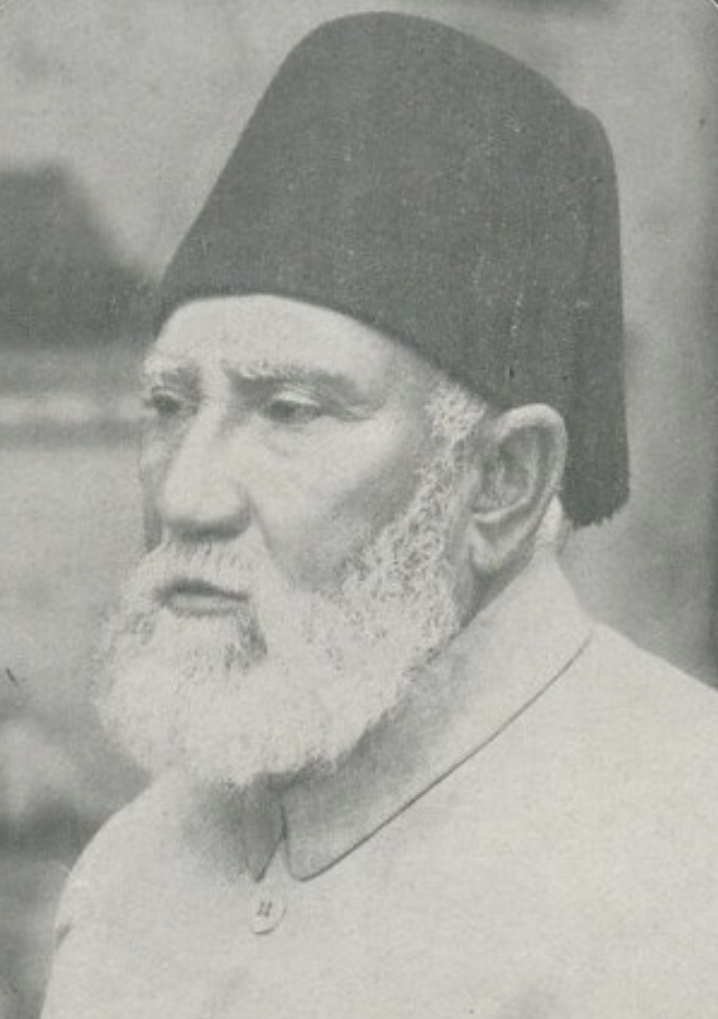
Founder / central figure
Born Mohammad Abdur Rashid in Delhi in January 1868, Rashid-ul-Khairi became a prominent reform-oriented voice in early Urdu prose. His work ranged across novels, short stories, essays, history, humour, poetry, translation and journalism. A recurring concern in his social writing was the education and everyday condition of middle-class Muslim women. In June 1908 he launched Ismat from Delhi as a social and literary magazine for women. He also established or published periodicals including Tamaddun, Sahaili, Banaat and Jauher-i-Niswan. Rashid-ul-Khairi died in Delhi on 3 February 1936, while later generations of the Khairi family continued literary, editorial and public-service work.
LIFE & WORK
Born Mohammad Abdur Rashid in Delhi in January 1868, Rashid-ul-Khairi became a prominent reform-oriented voice in early Urdu prose. His work ranged across novels, short stories, essays, history, humour, poetry, translation and journalism. A recurring concern in his social writing was the education and everyday condition of middle-class Muslim women. In June 1908 he launched Ismat from Delhi as a social and literary magazine for women. He also established or published periodicals including Tamaddun, Sahaili, Banaat and Jauher-i-Niswan. Rashid-ul-Khairi died in Delhi on 3 February 1936, while later generations of the Khairi family continued literary, editorial and public-service work.
His legacy combines popular Urdu prose with sustained social-reform publishing. Ismat, launched in 1908, became a long-running institution associated with women's education, social questions and the Khairi family's literary tradition. Modern catalogues preserve a large bibliography: Dawn records more than 90 books and booklets, while Rekhta catalogues 130 entries under books by Rashid-ul-Khairi.
Explore research sources ↗PUBLICATIONS
Mohammad Abdur Rashid, later known as Rashid-ul-Khairi, was born in Delhi.
Rashid-ul-Khairi launched Ismat in Delhi as a social and literary magazine for women.
Open Library records Bint-ul-Waqt as first published in 1918.
Catalogue records place Shab-e-Zindagi and Taeed-e-Ghaibi among Rashid-ul-Khairi's works circulating by 1920.
Rashid-ul-Khairi died in Delhi on 3 February 1936 after a prolific literary and editorial career.